Floodplain - Part 3
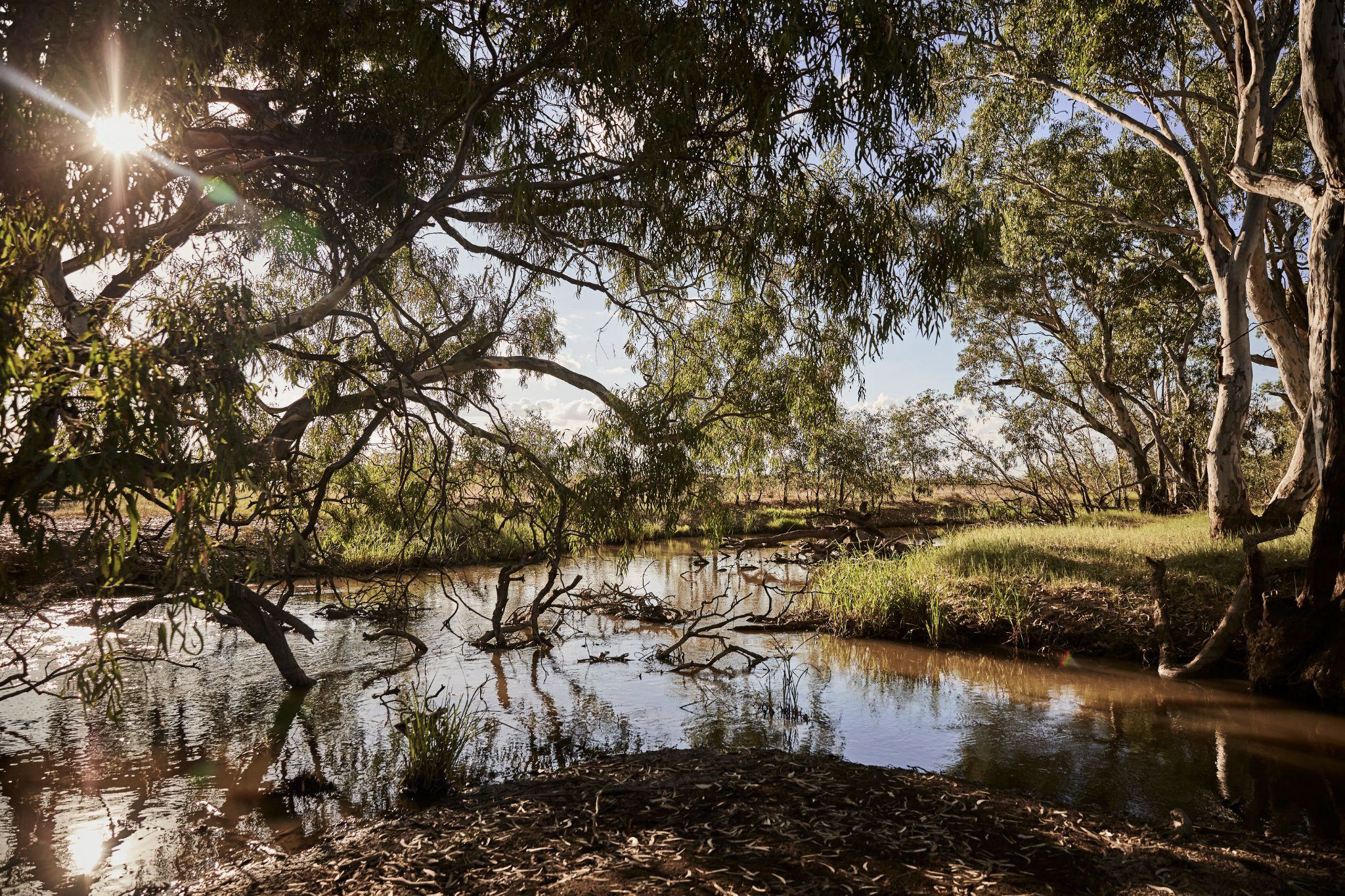
The build up of sediment and bank erosion
With minimal overbank flows, we are now seeing the build up of sediment and bank erosion in the rivers. The rivers become shallower, more straight and little plant life exists. The habitat for native fish is reduced and builds a competitive advantage for the introduced fish - European carp - who can feed on the river edges and so cause more negative feedback to sediment and erosion..
How does the build up of sediment and bank erosion happen?
If over bank flows such as what we are seeing now, become rare
Sediment builds up
More sediment is retained and transported within the river
It can become suspended in the water. This then sets off a negative feedback loop. More suspended sediment - water is muddy - less light reaches aquatic plants - less plants established reduces the amount of roots stabilising the river bed - more sediment is dispersed - more muddy etc.
Like a fish tank the nitrogen cycle is also disrupted.
Aquatic plants provides habitat, takes up nutrients, slows local water movement and balances an effective nitrogen cycle.
As the river becomes more like a channel - shallow and narrow - the flow of water becomes more concentrated within the banks. So when a higher river flow occurs - say in a flood - the water’s energy remains concentrated in the main channel. This can result in high velocities and shear stress against the banks of the river especially around bends and constrictions.
Erosion of the banks then occurs.
Another negative feedback loop occurs - bank erosion causes sediment to become suspended in the water. Causing more muddy water. Erosion also prevents plants from growing on the edges causing bare ground on the banks - this then causes the banks to be fragile and increased impact from carp, energy flows etc.