Floodplains - Part 1
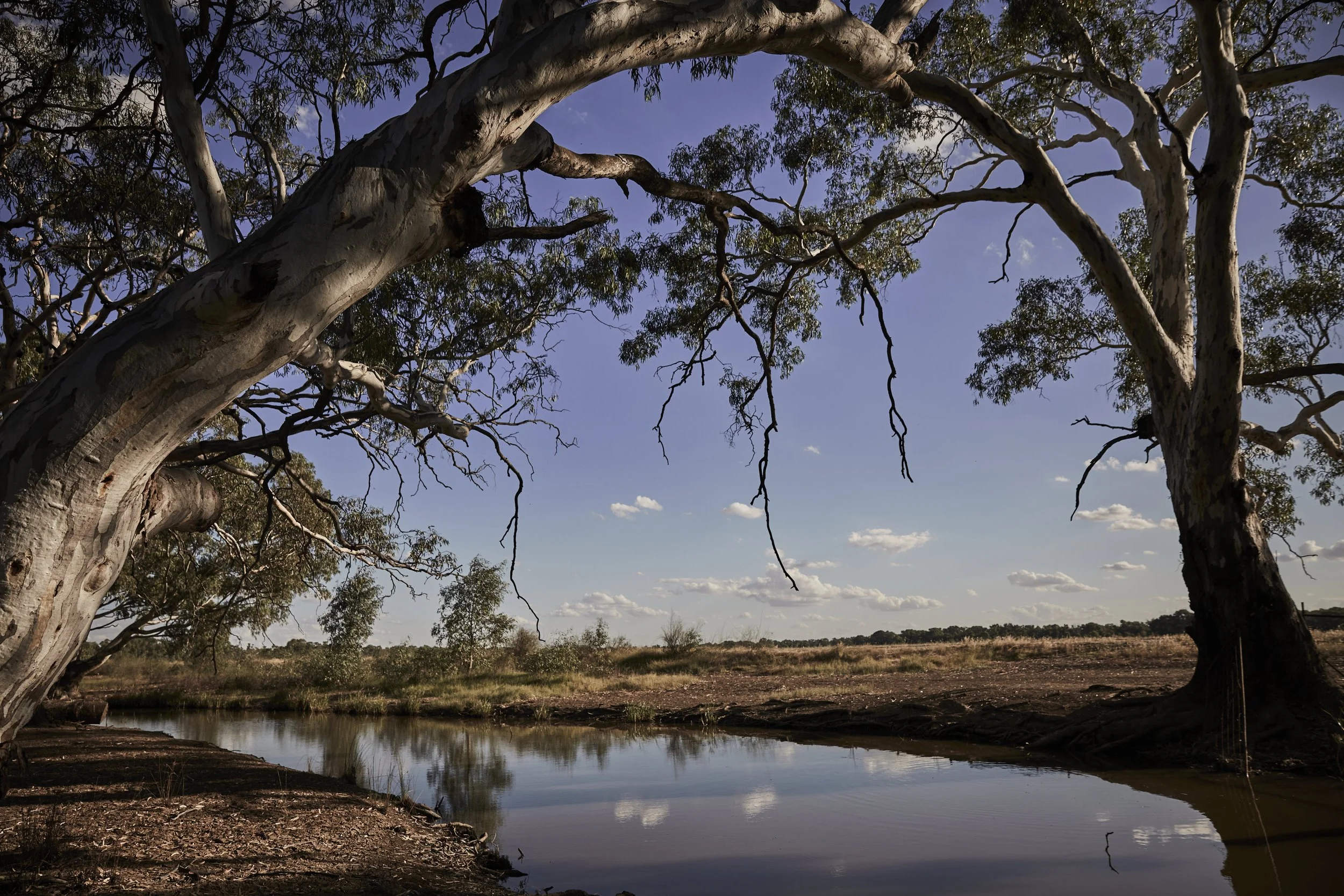
We often focus on the areas that become inundated with flood water during a moderate flood.
Water lying in the low areas of a paddock, water flowing in the depressions and smaller creeks and the yellowing of crops or improved pastures due to water logging.
As the flood is receding these areas become yellow, plants die and eventually only dead debris is left.
But we forget about the tremendous benefit we will see over the whole landscape both now and into 2027. Yes the pasture in the inundated areas will possibly die and disappear but over the whole landscape the soil moisture profile is full and with the soil temperature rising, the remainder of the grass; whether it is annual crops, improved pasture species or native grasslands will be growing at a rate and a capacity that we have rarely witnessed.
And the areas that have had loss of pasture, will continue to hold moisture in the soil and allowing this moisture to be retained well into 2027. This will set a farm up for excellent crop or pasture growth in 2027. A short term loss will provide a long-term gain.
And flooding isn’t an isolated event. To state the obvious, flooding has occurred after huge rain events. We have just reached 400mm rainfall for the year and Spring is only beginning. Our average rainfall for Canary Island is 330mm. So high rainfall at this time of the year will see a proliferation of grass growing.
Let’s not be scared of floods. All floods are not bad. In fact the majority of floods, at the right time and at the right flows provide a burst of life to our landscape which is good for farming as well as the environment.