Part 1: The Myth of the Pristine
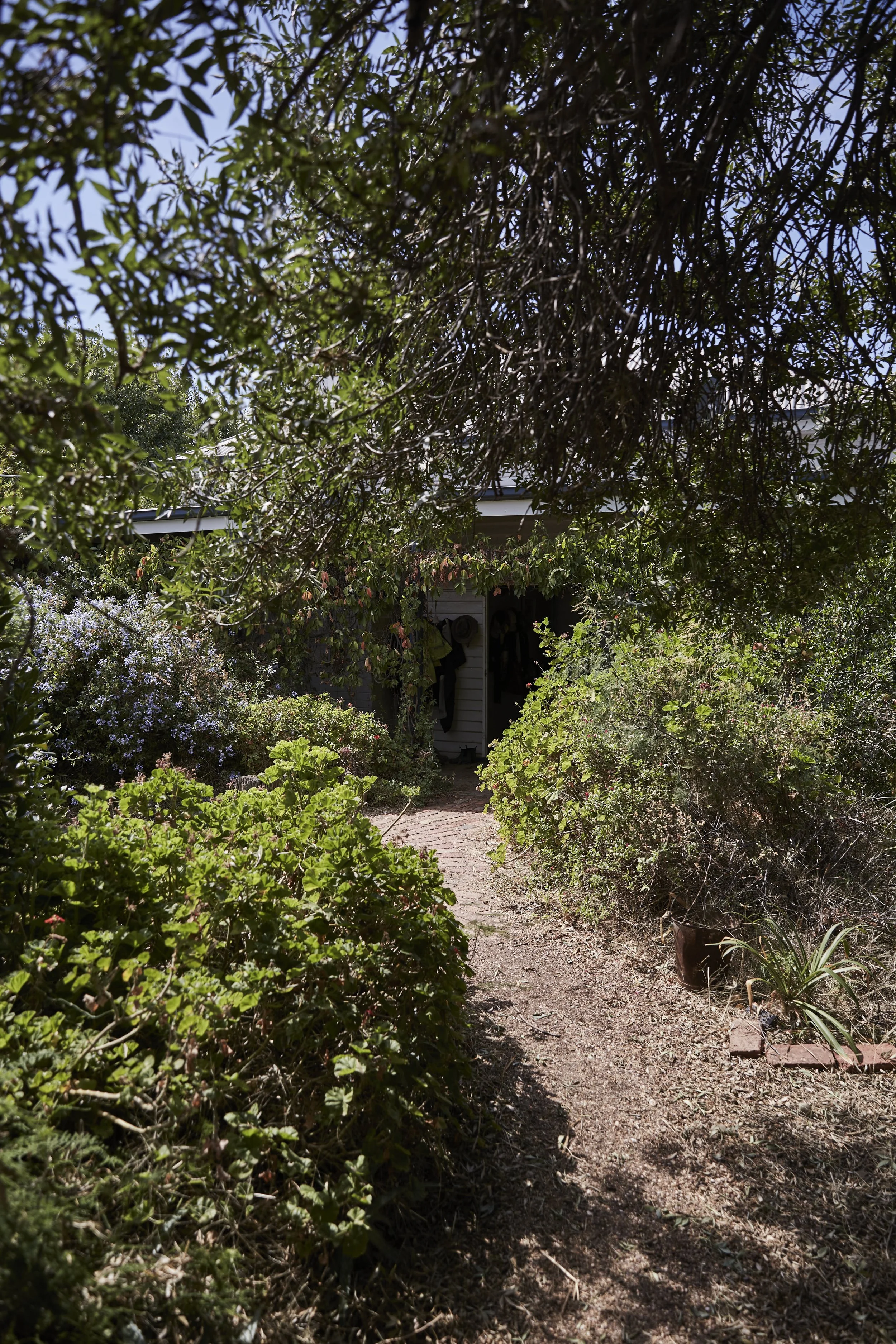
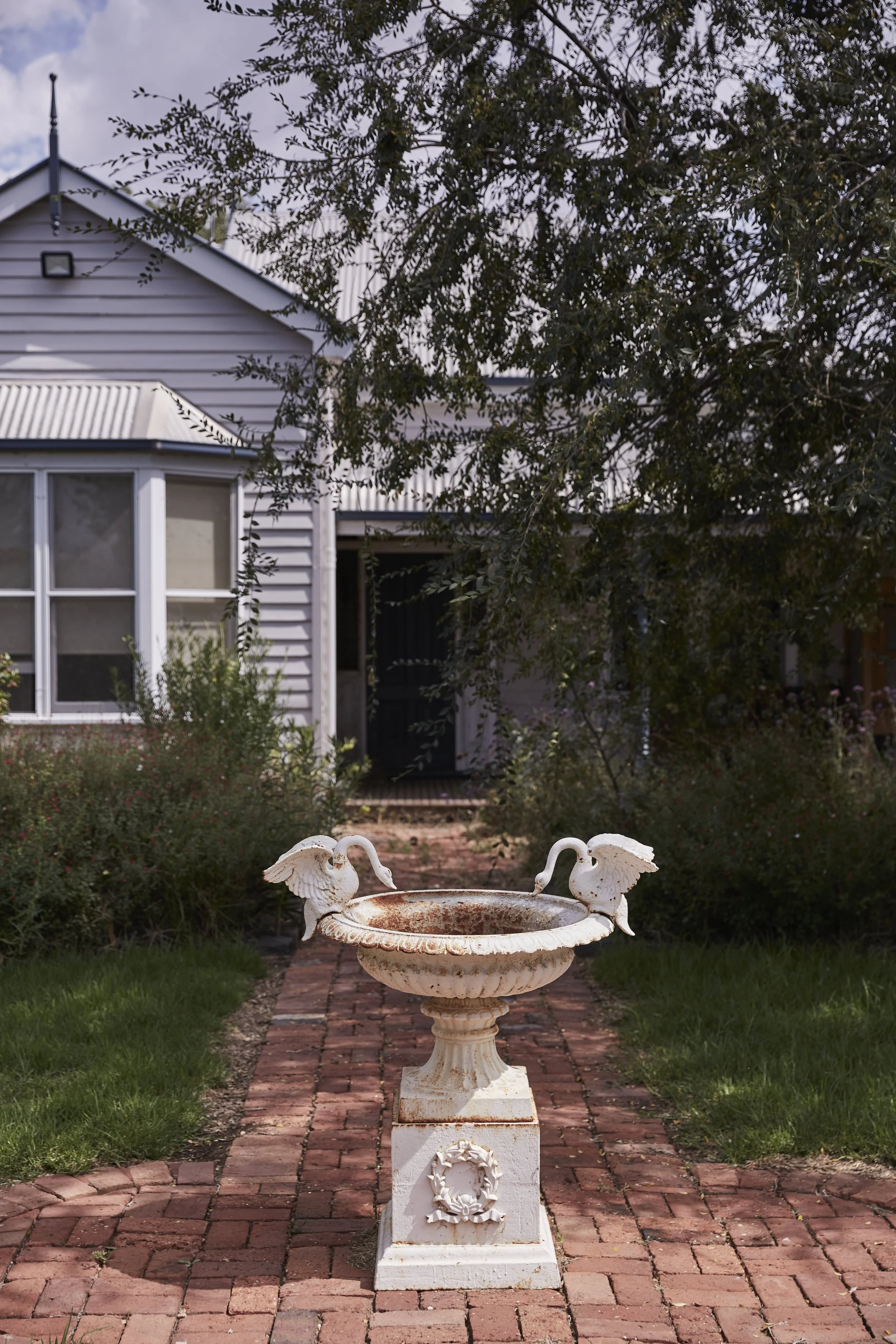
Does nature really care about our definitions of "ideal"?
In our work as stewards of the land, we often operate under a persistent assumption: that we know the ideal endpoint for our landscape. We frequently aim for a "correct" stable state, using historical benchmarks, often the landscape as it existed before European arrival, as the ultimate goal to achieve. We decide which species belong, where waterways should run, and what the "pristine" version of a paddock should look like.
However, in reading Isabella Tree’s Wilding, I’ve been challenged to reconsider this mindset. By aiming for a specific, static endpoint or a fixed habitat type, are we inadvertently stifling the very natural processes we seek to protect?
Nature is fundamentally dynamic, too complex and shifting for us to ever fully control, or even fully understand. Our landscapes have been shaped by thousands of years of human influence, burning, grazing, and farming, long before our modern records began. When we fixate on a "pristine" past, we risk ignoring the reality that nature is not a museum piece; it is an ongoing, adaptive response to change.