Part 2: Function Over Form

Shifting our focus from endpoints to ecosystems.
If we move away from the "pristine" endpoint, what takes its place? The answer lies in focusing on functioning systems and processes rather than specific states.
Our role as active participants in the circle of life is to facilitate the conditions for life to respond and adapt. This means prioritising:
Soil Health & Hydrology: Building the literal foundation for resilience.
Biodiversity & Structure: Creating the complexity that allows different species to find a foothold.
Managed Pressure: Utilising grasing and other natural disturbances to drive growth.
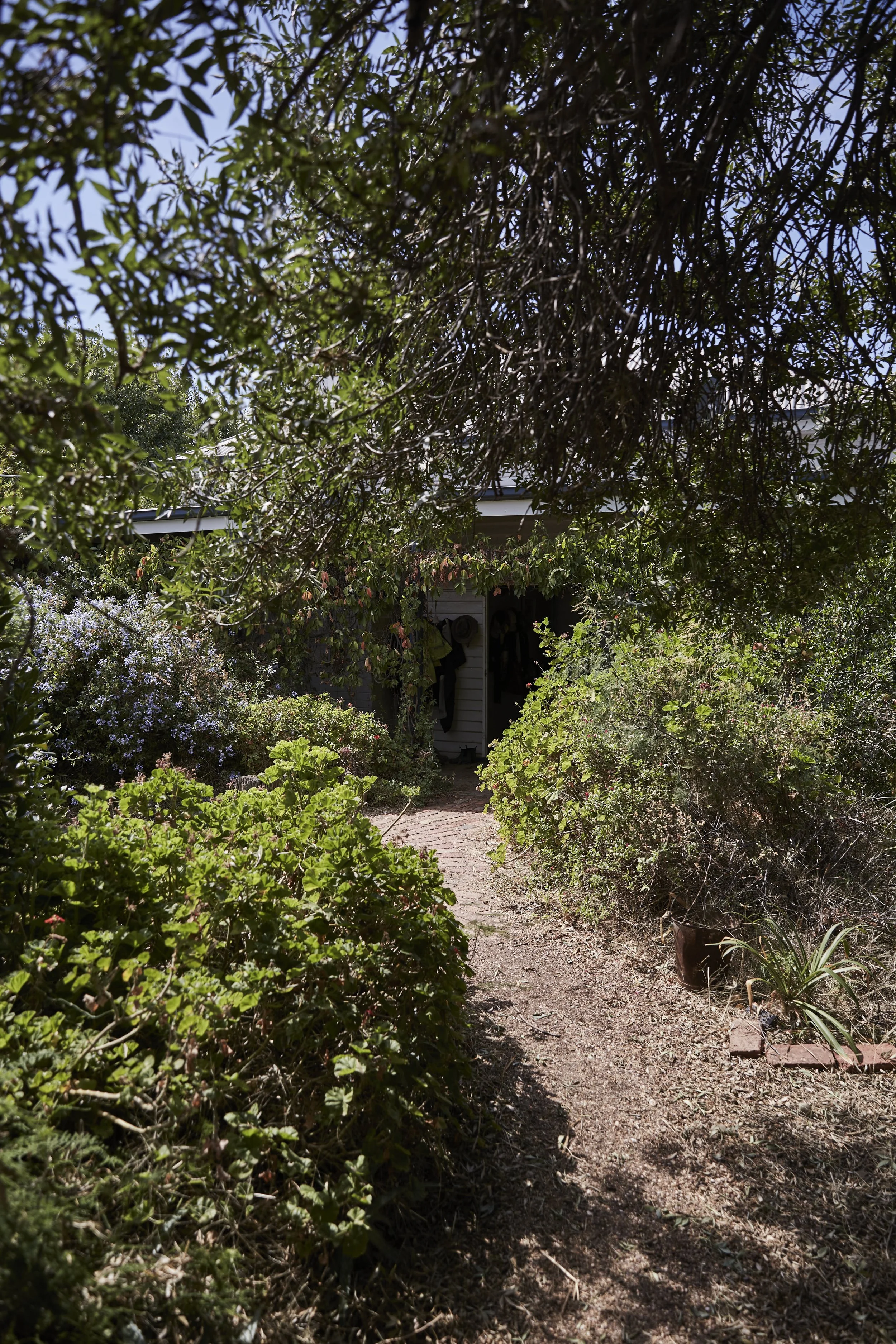
The proof of this shift is often visible in our own backyards. In a garden full of exotic cottage plants, deciduous trees, and a kikuyu lawn, nature still thrives. Kingfishers visit the pond, native bees feed on the lavender, and reptiles shelter in the shrubs.
Nature doesn’t care that the garden isn’t "pristine" or strictly native. What matters is that it is a stable, functioning system providing food, water, and shelter.
As leaders and stewards, our greatest tools are not our control mechanisms, but our curiosity and observation. By letting go of an aging mindset that demands a fixed endpoint, we open ourselves to the inspiring, complex, and ever-changing reality of a landscape that is truly alive.